Red Light Therapy in Palm Beach Gardens: A Useful Guide
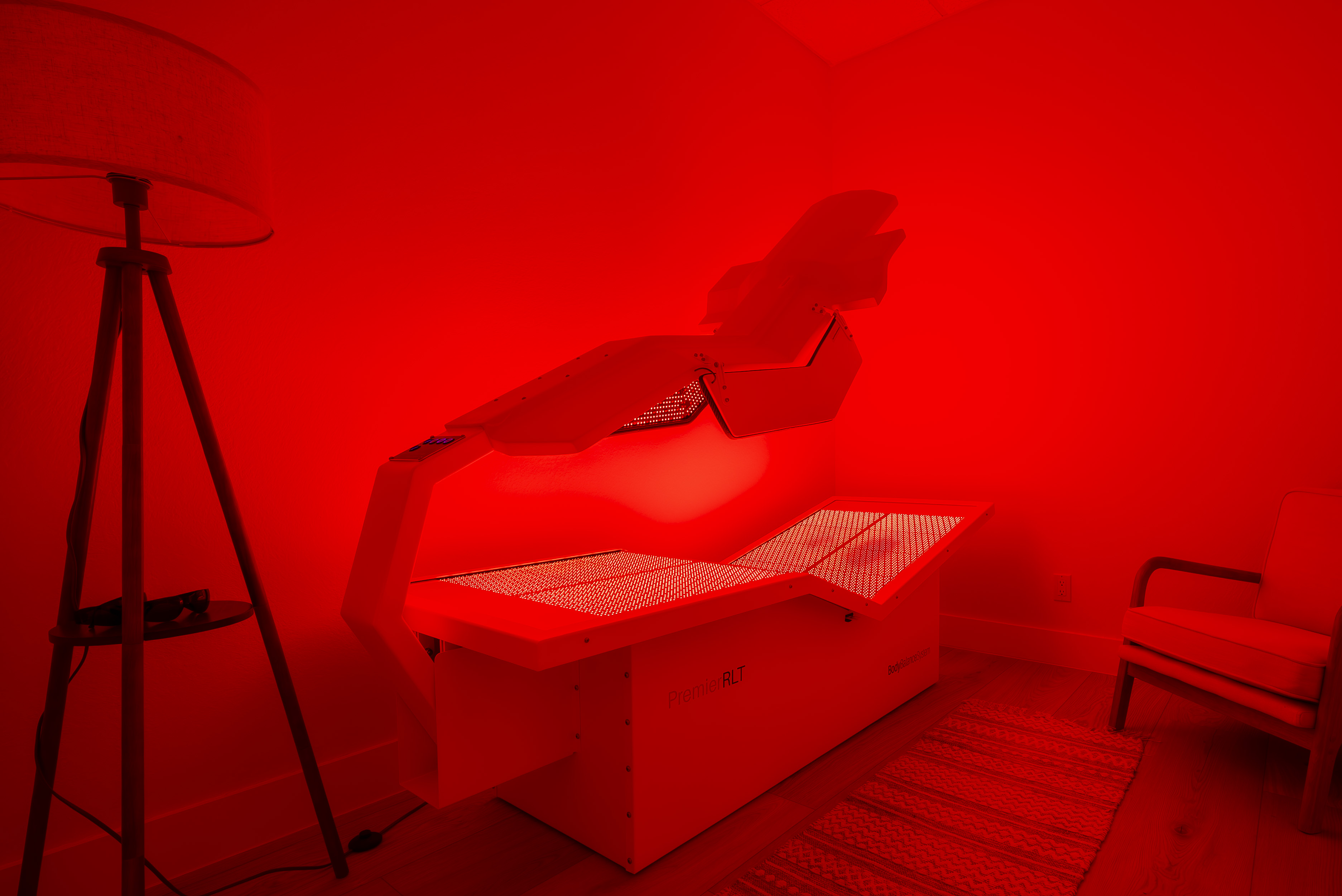
Red light therapy is one of the gentlest sessions at RINOVA Longevity: fifteen to twenty minutes resting on a full-body bed while panels deliver red and near-infrared light. There are no needles, no pressure changes, and no recovery time afterward. What the service asks of you instead is consistency and honest observation, because light-based routines reveal their value over weeks, not visits. This guide explains what the light is, how a session unfolds, and how to evaluate whether it deserves a standing place in your schedule.
What the light is, and what it is not
The bed uses selected wavelengths of visible red light and near-infrared light, which sits just beyond what the eye can see. Neither is ultraviolet, so a session is not a tanning visit and does not darken skin the way sun exposure does. Researchers study these wavelengths under the name photobiomodulation, and the field is active, with findings that vary by device, wavelength, dose, and goal. That variation is the honest headline: red light is a reasonable thing to explore for recovery and skin-focused routines, and it is not a guaranteed result for either.
A session, start to finish
Your first visit begins with a short orientation. The team covers session length, how to position yourself on the bed, and eye protection, which you should use as instructed even though the light is not ultraviolet. Expose the skin you want the light to reach, since clothing blocks it, and arrive without makeup, sunscreen, or lotions on treatment areas unless the team confirms a product is fine. The session itself is warm, still, and quiet. First-timers sometimes ask whether the bed feels claustrophobic; most find it closer to lying under a warm canopy than inside anything enclosed, and you can sit up at any moment. The panels hum softly, the light reads as a deep glow through closed eyes, and twenty minutes tends to pass faster than expected. Many guests treat the whole thing as enforced rest, which may be part of the appeal on a packed day.
Getting the dose right
With light, more is not better. Wavelength, panel output, distance, session length, and frequency together determine dose, and a sensible plan favors regular moderate sessions over occasional long ones. Rather than judging by intensity, ask what schedule the team suggests for your goal and why. Then hold the schedule steady long enough to evaluate it, since changing three variables at once tells you nothing.
A realistic starting rhythm
Guests usually begin with two or three sessions a week for several weeks, then taper toward whatever maintenance level fits, with the team shaping that around your goal at the first visit. Two practical notes make the rhythm easier to hold. First, anchor the session to something you already do: after a Tuesday workout, before a standing Friday errand, anything that repeats weekly without negotiation. Second, book the next visit before leaving the current one, because open-ended intentions lose to full calendars in Palm Beach Gardens as reliably as anywhere on earth. If travel breaks the streak, simply resume. A missed week is noise in a routine measured over months.
Who should mention something first
Red light is broadly gentle, but a few situations call for a conversation before booking. Tell the team if you take medications that increase light sensitivity, including certain antibiotics and retinoids, if you have an eye condition, an active skin condition, or a history of skin cancer, or if you are pregnant and want guidance on what is appropriate. None of these automatically rules out a session, but each deserves an answer specific to you rather than a general assurance. It is also worth mentioning recent cosmetic procedures or laser treatments, since timing guidance may differ while skin recovers, and any history of light-triggered migraine, which some guests prefer to manage with shorter first sessions.
How to tell if it is helping
Decide before your first visit what you are evaluating. For a recovery routine, that might be how you feel the day after training or how easily the session slots into your week. For a skin-focused routine, take baseline photographs in consistent lighting, at a consistent distance, and compare monthly rather than daily, because hydration and light change how skin looks from morning to morning. Set a checkpoint, perhaps eight to twelve weeks out, and make a real keep-or-drop decision there. If nothing has moved by then, that is a finding, not a failure. Drop it without guilt, keep the appointment slot, and spend it on the service that did earn its keep.
Where it fits in a Palm Beach Gardens week
The practical strength of Red Light Therapy is that it is short and passive, so it stacks cleanly with other visits. Guests often pair it with Cryotherapy for a contrast of brisk and warm, or with Compression Therapy for a fully passive recovery hour. If you are weighing longer longevity-focused sessions as well, our guide to hyperbaric oxygen therapy makes a useful companion read. For most people the deciding factor is friction: a fifteen-minute session close to home survives a busy season in the Gardens better than any elaborate protocol.
Next steps
Start by requesting a first visit and describing your goal, whether that is recovery, skin, or simply a quiet ritual. If the routine earns its place and you are visiting weekly, membership options may price better than single sessions. Decide that from your actual calendar, not your intended one.
Clinical note
This article is for educational purposes only and is not medical advice. RINOVA's clinical team can help you decide whether a treatment is appropriate for your goals, health history, and care plan.