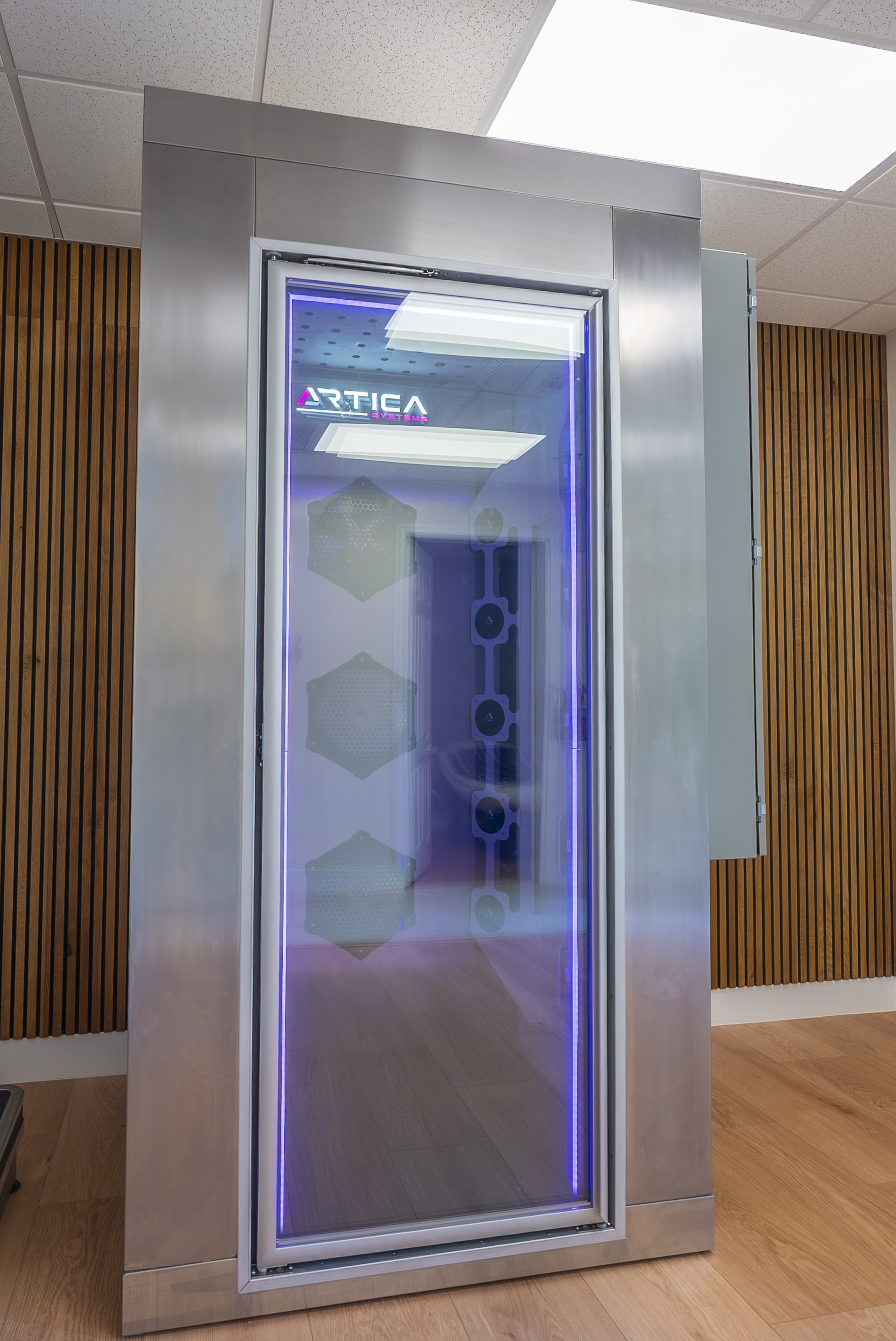
Cryotherapy in Palm Beach Gardens: A Practical First-Visit Guide
Whole-body cryotherapy is a short, supervised session inside a chamber cooled to very low temperatures. At RINOVA Longevity in Palm Beach Gardens, the in-chamber portion lasts about three minutes, and the visit is structured so a first-timer knows exactly what will happen before the door closes. This guide covers how a session works, what the cold really feels like, who should talk with a clinician before booking, and how to decide whether cryotherapy earns a permanent spot in your week.
Why cold appeals to active South Florida schedules
Palm Beach Gardens is a place where training rarely pauses. Golf and tennis run year-round, morning runs continue straight through August humidity, and many residents move between workouts, work, and travel with little margin. Cryotherapy fits that rhythm because it is brief. The full visit, including preparation, usually takes less time than a lunch stop, which makes it one of the easiest recovery habits to actually keep.
That brevity deserves an honest frame. Three minutes of cold is a ritual and a reset. It is not a substitute for sleep, hydration, sensible training loads, or a medical evaluation when something hurts in a way that concerns you.
How a session at RINOVA works
Your first visit begins with a conversation, not a chamber. The team reviews your goals, screens for reasons to modify or skip the session, and walks you through the equipment. You will wear dry clothing suited to cold exposure, remove jewelry and anything metal, and put on the protective items provided for your hands, feet, and ears. Skin needs to be completely dry, because moisture raises the risk of cold injury.
Once you step in, the cold builds quickly and a team member stays in communication the entire time. You are never locked in, you can end the session whenever you choose, and stepping out early is always a reasonable decision. Afterward, most guests rewarm naturally within a few minutes and carry on with their day.
What the cold actually feels like
Chamber cryotherapy uses very cold, dry air, and that makes it feel different from an ice bath. There is no shock of water against the skin. Instead, the sensation starts as a sharp chill, moves toward tingling across exposed skin, and peaks in the final minute, when most people focus on slow breathing and light movement. First-timers often describe it as intense but manageable, and shorter starter sessions can be discussed if you are unsure. Stepping out tends to bring a burst of alertness, though individual responses vary and no particular feeling is guaranteed.
A practical tip for the first visit: settle your breathing before you step in, keep it slow and even through the coldest stretch, and let your shoulders drop. Tension makes cold feel colder, and a deep, relaxed exhale is the simplest tool you have in there.
Chamber, cold plunge, or ice bath at home
Plenty of Palm Beach Gardens garages now hold a cold plunge tub, so the comparison question comes up often. Water pulls heat from the body far faster than air, which is why a fifty-degree plunge can feel harder than a much colder chamber. The chamber trades that immersion intensity for precision and simplicity: sessions are timed, supervised, dry, and finished in about three minutes, with no tub to chill, clean, or talk yourself into at six in the morning. Neither format is the objectively correct one. If you already keep a plunge habit you love, a chamber visit is still worth trying once for the contrast. If cold is new to you, starting supervised has real advantages, because the team manages timing, watches how you respond, and adjusts the plan to you rather than to a video you saw online.
What cryotherapy may support, and what it cannot promise
Most guests use cryotherapy as one piece of a recovery routine after training, long days on their feet, or travel. It is worth being direct about the category: whole-body cryotherapy is a wellness service, not a medical treatment. The U.S. Food and Drug Administration has published a consumer update on whole-body cryotherapy noting that these devices are not cleared to diagnose or treat medical conditions. If pain, swelling, or a suspected injury is what brought you here, a clinical evaluation comes first, and cold exposure can be part of the conversation afterward.
Who should talk with a clinician before booking
Cold exposure is not appropriate for everyone. Mention it early if any of the following apply to you: heart or circulation conditions, uncontrolled blood pressure, cold-triggered conditions such as Raynaud phenomenon or cold urticaria, neuropathy or reduced sensation, pregnancy, recent surgery, or open wounds. Medications that affect circulation or sensation are worth raising as well. The RINOVA team screens for these concerns at every first visit, but when you are uncertain, your own clinician is the better starting point.
Making the habit stick
A recovery habit survives on convenience and honest evaluation, not enthusiasm. Pick one goal, such as a consistent post-training reset, and pay attention to how you feel in the hours after each session. Some guests pair Cryotherapy with Compression Therapy for a fuller recovery hour, or follow a sauna visit with cold for a classic contrast. Pairings are optional. A single well-tolerated session you repeat weekly is worth more than an ambitious protocol you abandon by month two.
On cadence, resist the urge to go daily in week one.
Planning your first visit
Keep preparation simple: arrive with dry skin and dry clothes, skip lotions and oils beforehand, leave jewelry at home, and eat normally. Plan for roughly fifteen to twenty minutes door to door. RINOVA Longevity is located at 8409 N Military Trail in Palm Beach Gardens, and you can request a first visit to talk through comfort, screening, and timing. If cold becomes a weekly fixture, membership options are worth comparing against how often you actually come in.
A note before you book
This article is for educational purposes only and is not medical advice. RINOVA's clinical team can help you decide whether a treatment is appropriate for your goals, health history, and care plan.